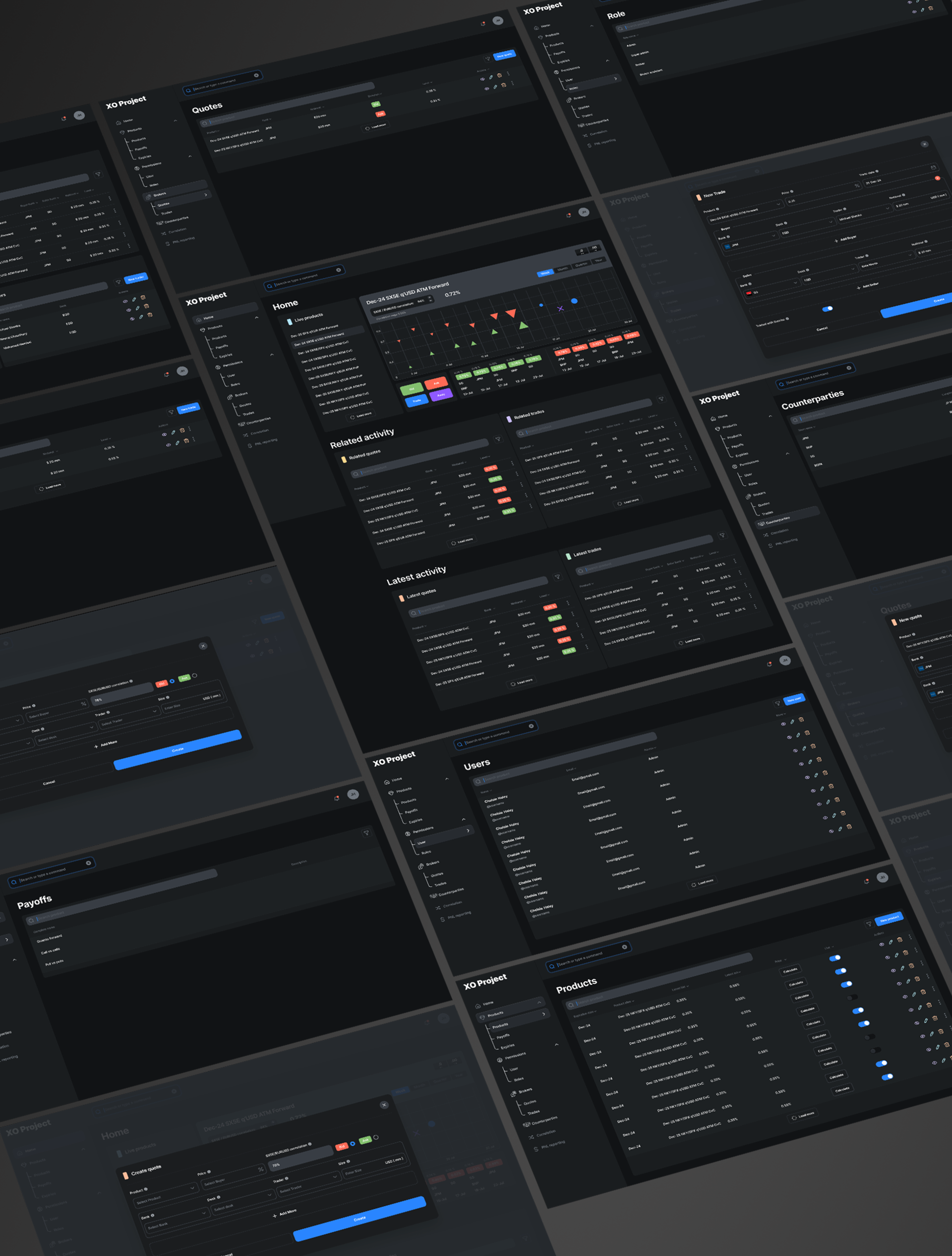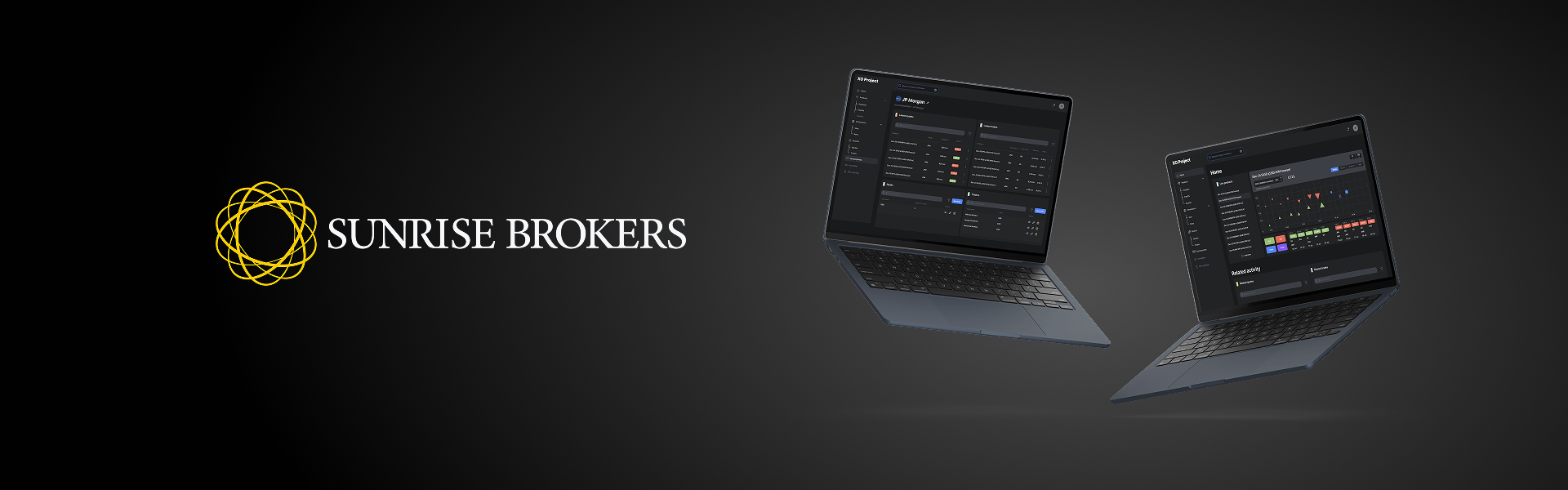
Sunrise Brokers — Inter-Bank Private Trading Platform
Senior Product Designer & UX Consultant
Sunrise Brokers is a specialized private trading solution designed for institutional banking. The platform digitalizes the traditional inter-bank trading method—where traders manually called other banks to negotiate products and prices—into a high-performance, real-time digital marketplace. It enables bank traders to connect, list products, and execute trades in a fluid, transparent, and instantaneous environment.
- Fintech / Institutional Trading
- Bank Traders & Institutional Brokers
- High-Velocity Desktop Trading Terminal
- Real-time Data Visualization, Transactional UX & Process Digitalization
- Product Objective
- The objective was to eliminate the inefficiency of voice-based inter-bank trading. By creating a centralized digital platform, Sunrise Brokers aimed to provide traders with real-time visibility into the global product market and price fluctuations. The goal was to build a system that facilitates instant connectivity and trade execution, reducing the "time-to-trade" and minimizing the human errors inherent in manual phone negotiations.
- My Role
- As the Senior Product Designer, I owned the end-to-end design strategy for this digital transformation. I was responsible for mapping the high-intensity workflows of institutional traders and translating them into a professional-grade trading interface. My work covered everything from the initial discovery of manual trading habits to the architecture of the real-time order book and the final technical handoff for the development of the live trading engine.
Core Challenges
The primary challenge was “Speed & Cognitive Load.” In professional trading, a split second matters. I had to design an interface that displays massive amounts of real-time data—prices, volumes, and product types—without overwhelming the trader. Digitalizing a “phone-call” relationship meant building deep trust into the UI, ensuring that price updates were clear, and that executing a multi-million dollar trade felt secure and intentional.
Empathize & Audit
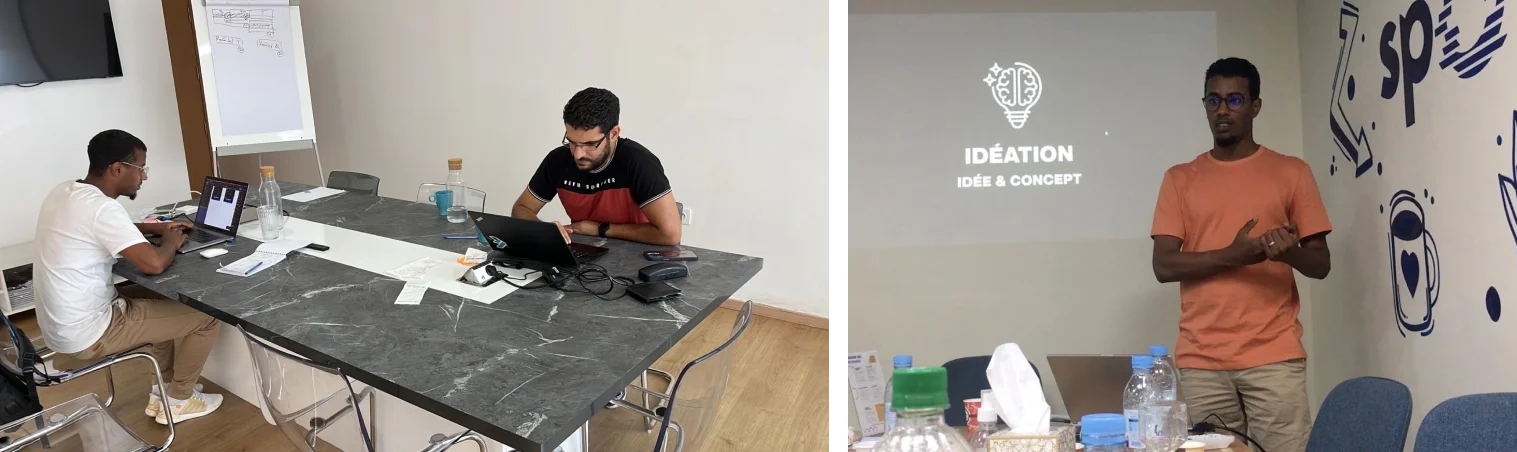
I began by auditing the legacy “voice” method—shadowing the manual process of how traders call, negotiate, and record trades. This allowed me to map the emotional and technical journey of a trade, identifying the specific “data points” that traders need to hear or see to make a split-second decision.
Define & Ideate
I worked to translate verbal negotiations into digital interactions. I focused on how to display “Ask/Bid” spreads and product availability in a way that mimicked the speed of a call but added the clarity of a screen. The goal was to define a “Real-time Order Book” logic that could replace the chaos of multiple phone lines.
Prototype & Test
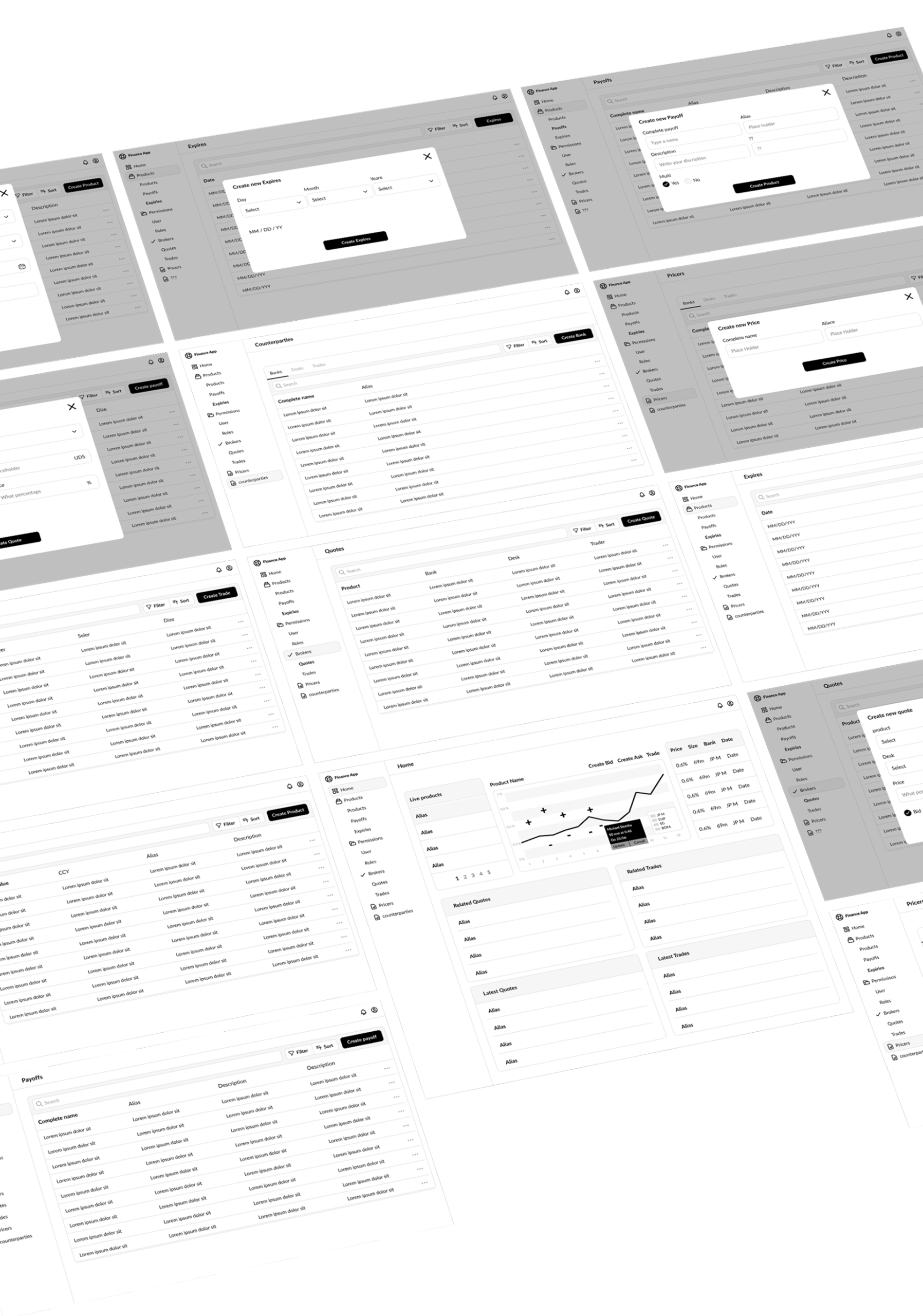
I moved into wireframing and prototyping the core trading terminal. This involved testing the Real-time Price Feed, the Product Discovery Filter, and the One-Click Trade Execution flow. Testing focused on “Information Density”—finding the balance where a trader could see everything they needed without searching for it.
Design System Development
I built a specialized Design System optimized for high-performance dashboards. I used a “Dark Mode” foundation to reduce eye strain during long trading sessions and created a highly structured color language (standardized Reds/Greens/Neutrals) to signal market movements instantly without the need for reading text.
UI Finalization & Technical Handoff
In the final phase, I polished the high-fidelity terminal, ensuring every millisecond of latency in the UI was accounted for. I provided a comprehensive handoff to the engineering team, focusing on the real-time state changes of the UI to ensure the “Live” feel of the platform was perfectly synchronized with the backend trading engine.
Reduced Trade Latency
By digitalizing the phone-call process, the time taken to find a product and execute a trade was reduced from minutes to seconds.
Operational Accuracy
Successfully eliminated the “he-said, she-said” errors of voice trading by creating a digital audit trail for every transaction.
Increased Market Transparency
Traders gained a 360-degree view of available products and prices across multiple banks, leading to better price discovery and increased trading volume.
High-Performance Adoption
The intuitive, high-density UI allowed legacy traders to transition from “voice” to “digital” with minimal training, proving the success of the UX-led transformation.