Overlayer — AI Knowledge Ecosystem
Senior Product Designer & UX Consultant
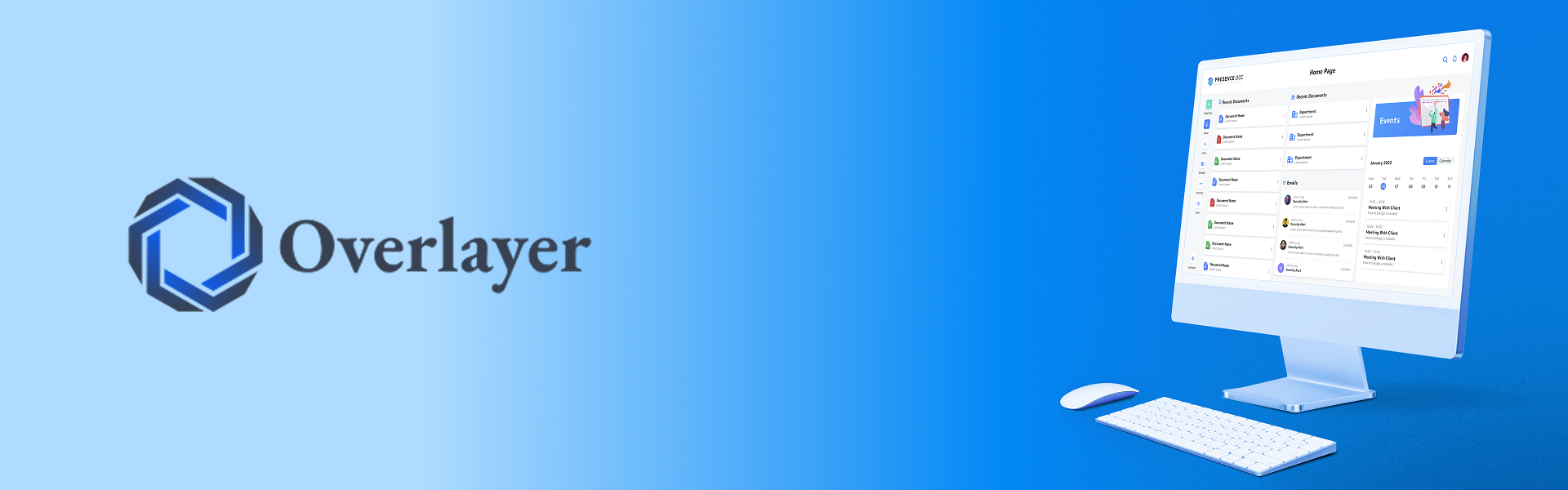
Originally developed as Presence Docs, the platform was designed as a next-generation collaborative layer that significantly enhances Google Workspace functionality. Following the successful redesign and a subsequent funding round, the company evolved into Overlayer. The platform focuses on connecting people with “living information” from various sources, using AI and machine learning to structure and qualify data in high-intensity information environments.
- Knowledge Management / AI SaaS
- Distributed teams, researchers, and project managers
- AI-powered web platform with Google Workspace integration
- https://www.overlayer.ai
- Product Objective
- The objective was to evolve Overlayer from a fragmented Google Workspace add-on into a unified, AI-powered knowledge management ecosystem. The platform needed to centralize "living information" from multiple sources, allowing teams to collaborate through integrated discussions and real-time data qualification. A primary goal was to restructure the existing technical debt and organic feature growth into a cohesive interface that felt like a natural extension of a user’s existing productivity stack rather than a separate, complex tool.
- My Role
- As the Senior UX Consultant, I led the strategic redesign and architectural overhaul of the Overlayer platform. My role was to audit the existing legacy modules and design a scalable navigation system that could accommodate future AI integrations without overwhelming the user. I was responsible for defining the new design language, creating a robust component library, and mapping complex collaborative user journeys. I worked closely with stakeholders to transition the company culture from a feature-driven approach to a user-centric, design-led methodology.
Core Challenges
The primary challenge was “Organic Complexity.” Overlayer had grown rapidly by adding custom modules for different clients, resulting in a fragmented UI and a steep learning curve. I had to solve the tension between keeping “Power Users” (who relied on specific legacy features) satisfied while simplifying the onboarding for new users. Additionally, we had to build “AI Trust”—designing the interface in a way that made the machine-learning suggestions feel transparent and helpful rather than intrusive or “black-box.”
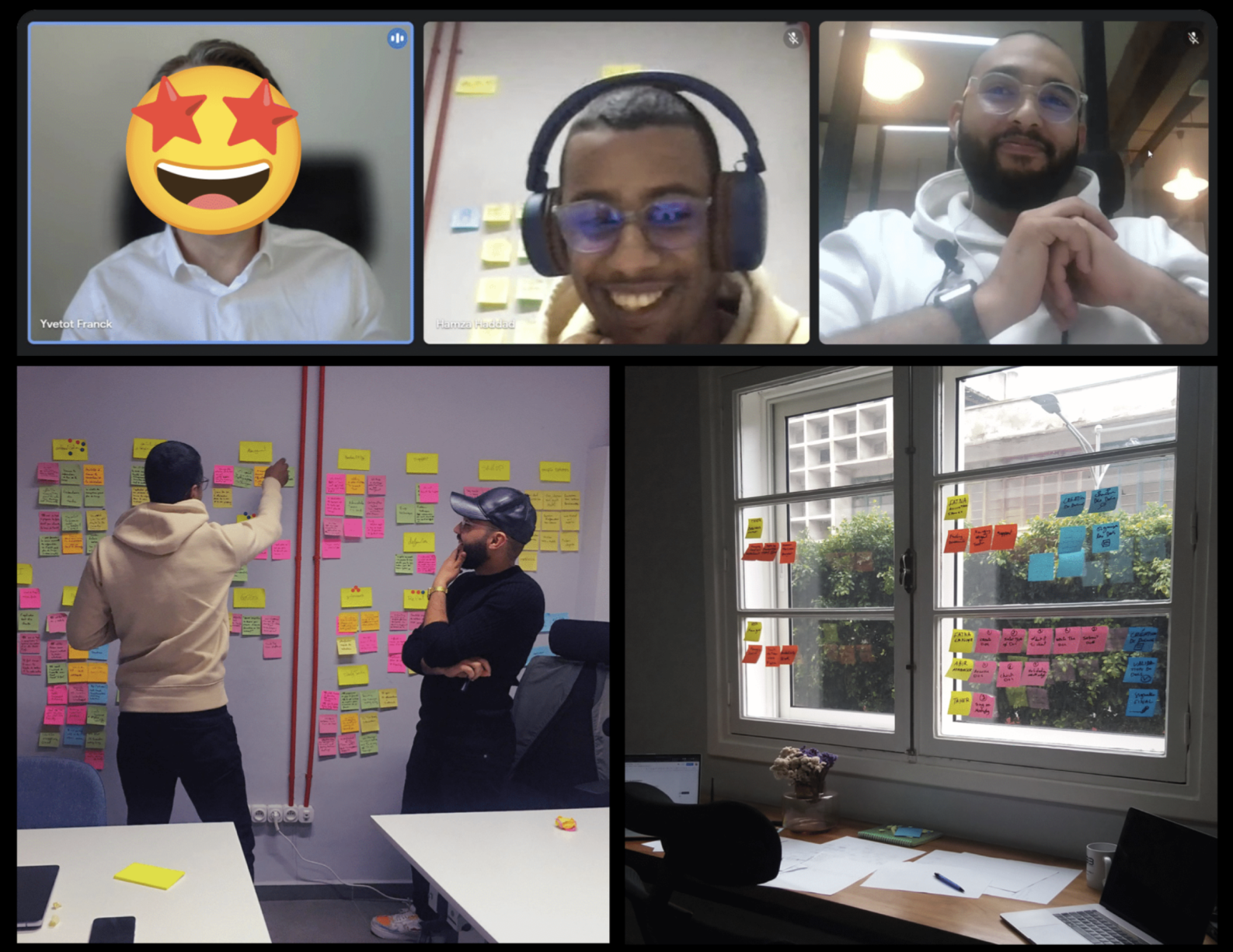
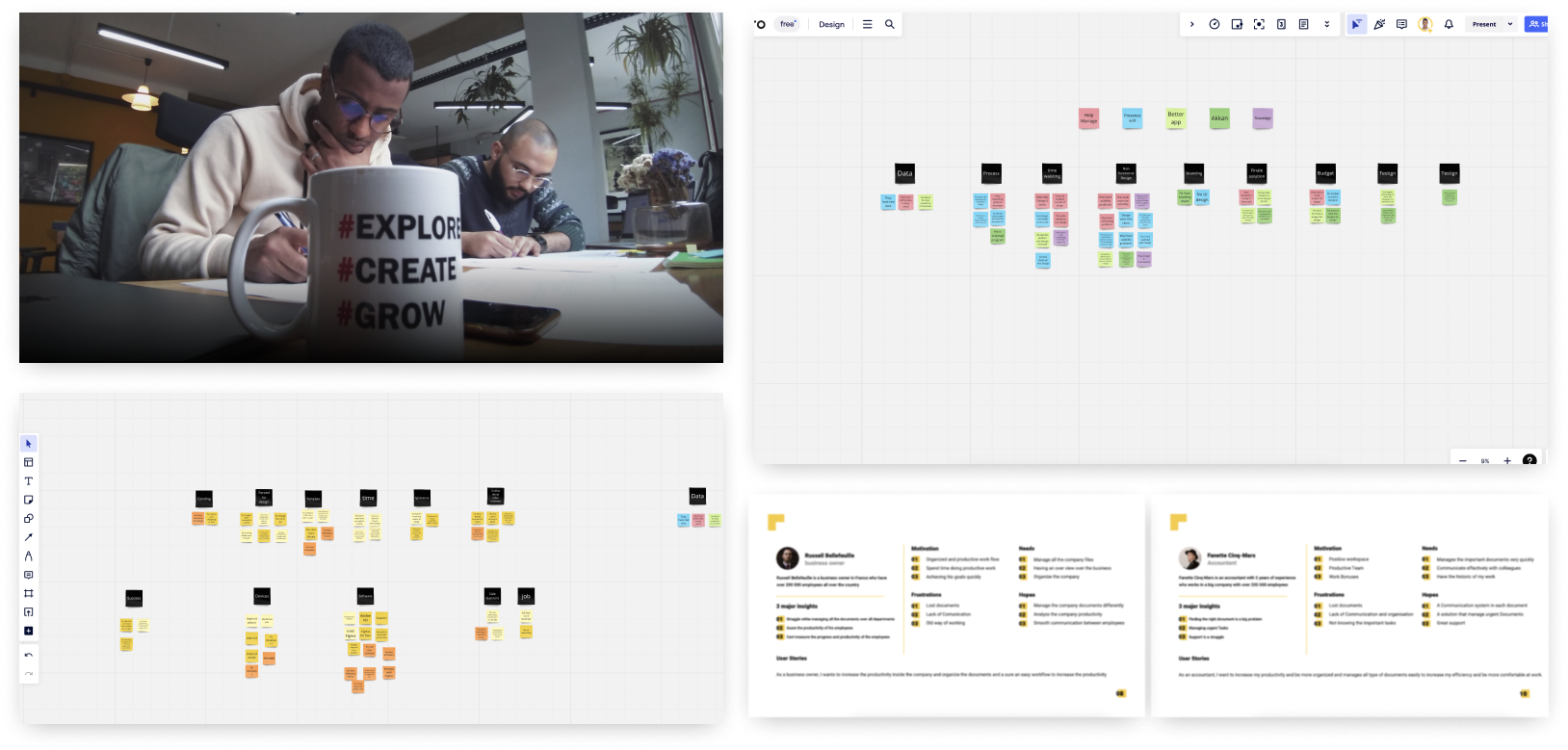
To ensure the platform met both business objectives and user needs, I followed an iterative Design Thinking process focused on clarity, scalability, and functional efficiency.
Heuristic Audit & Feedback Loop
I began with a deep-dive assessment of the existing platform and analyzed user feedback to pinpoint where the “Information Overload” was happening.
Workflow Architecture
I led ideation sessions to strip back the UI and rebuild the information architecture. We focused on a “Search-First” and “Collaboration-First” hierarchy to make finding living data instantaneous.
Scalable Wireframing
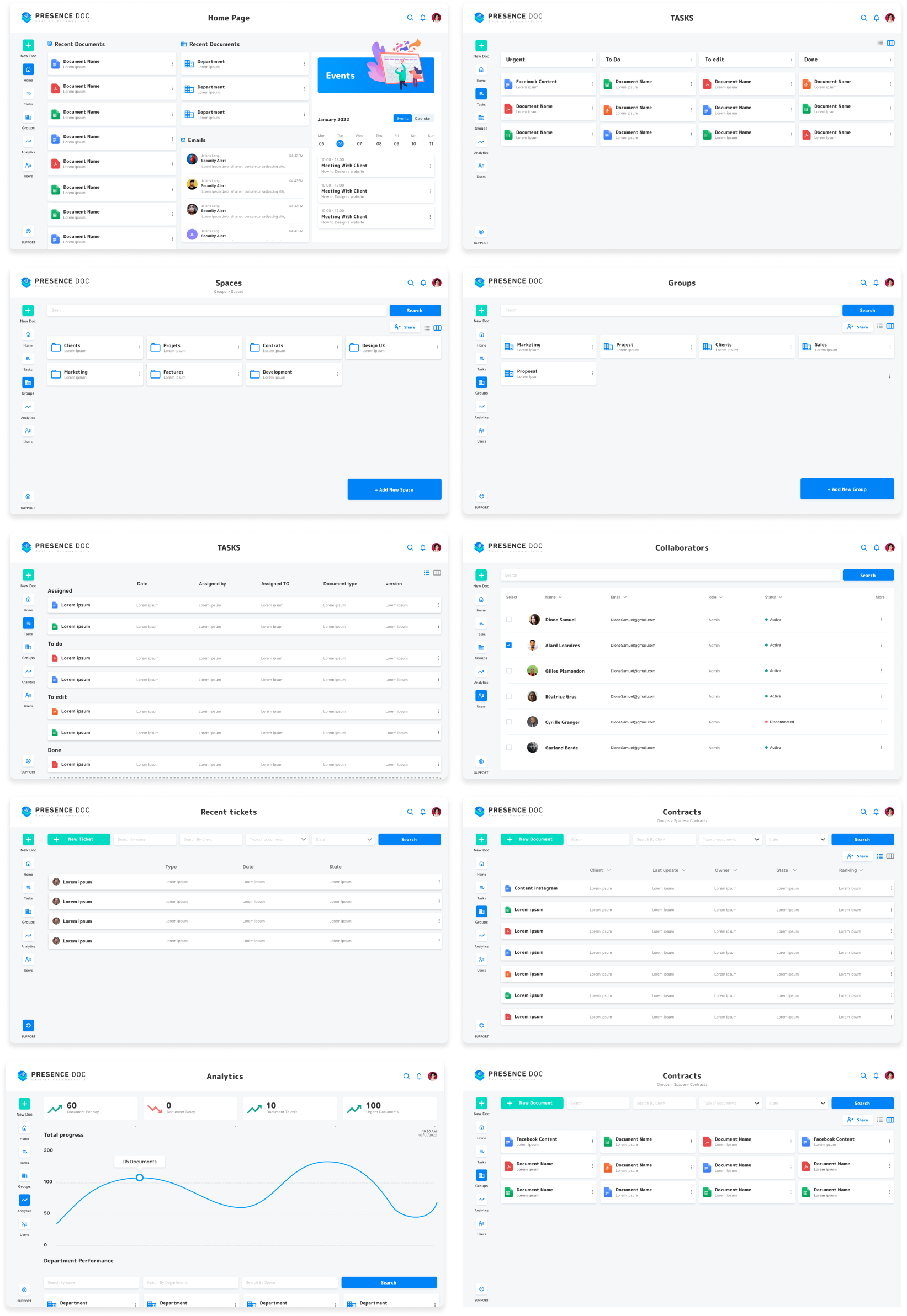
I developed a new blueprint for the platform that moved away from rigid modules toward a more fluid, “layer-based” experience (aligning with the new brand identity).
Design System & UI Evolution
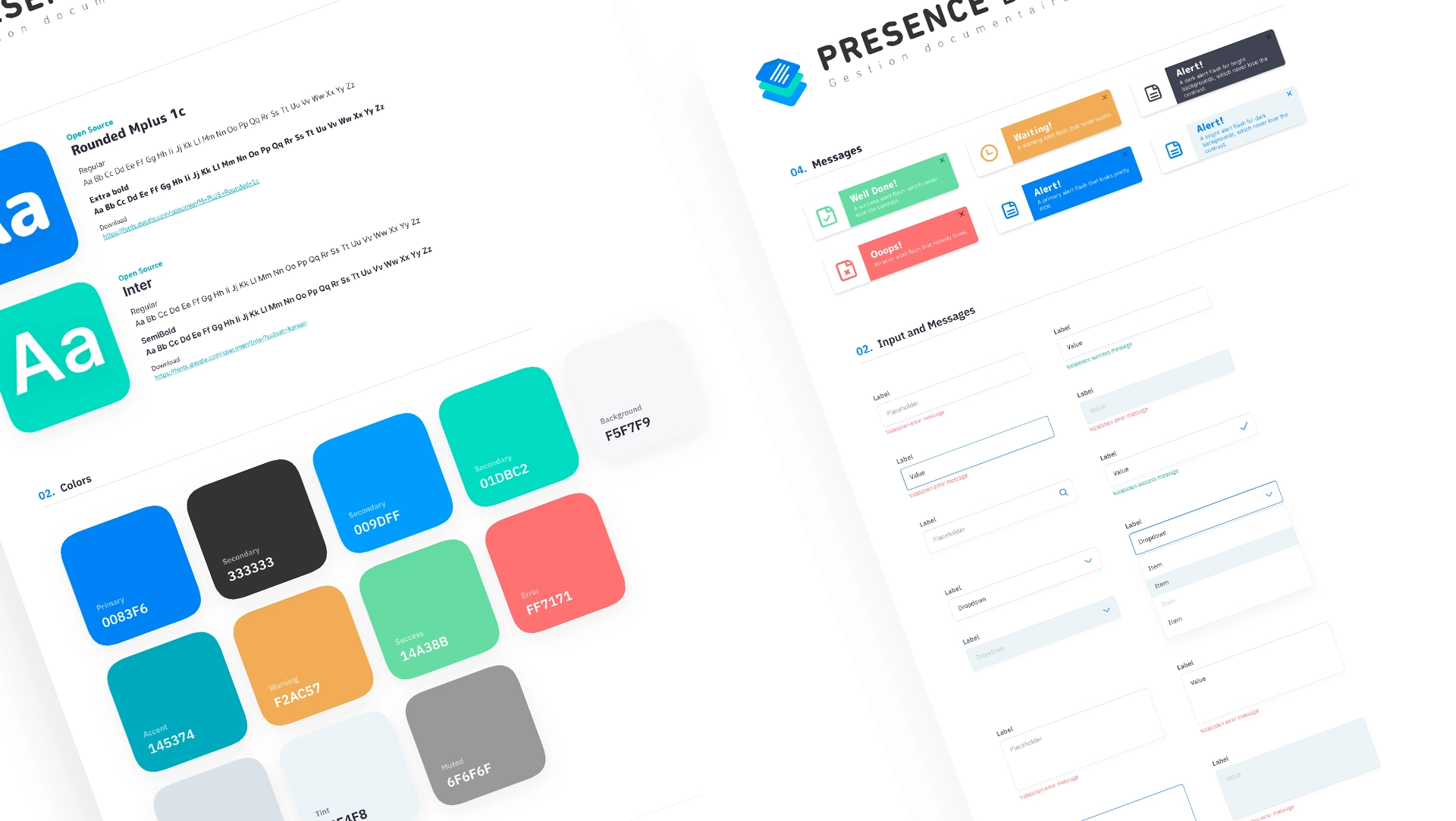
I created a comprehensive Design System that brought a “fresh, modern look” while ensuring that every new feature followed a consistent logic, drastically reducing the mental load for the user.
Iterative Stress-Testing
We put the new prototypes through rigorous testing with both legacy and new users to ensure the balance between power-functionality and ease of use was maintained.
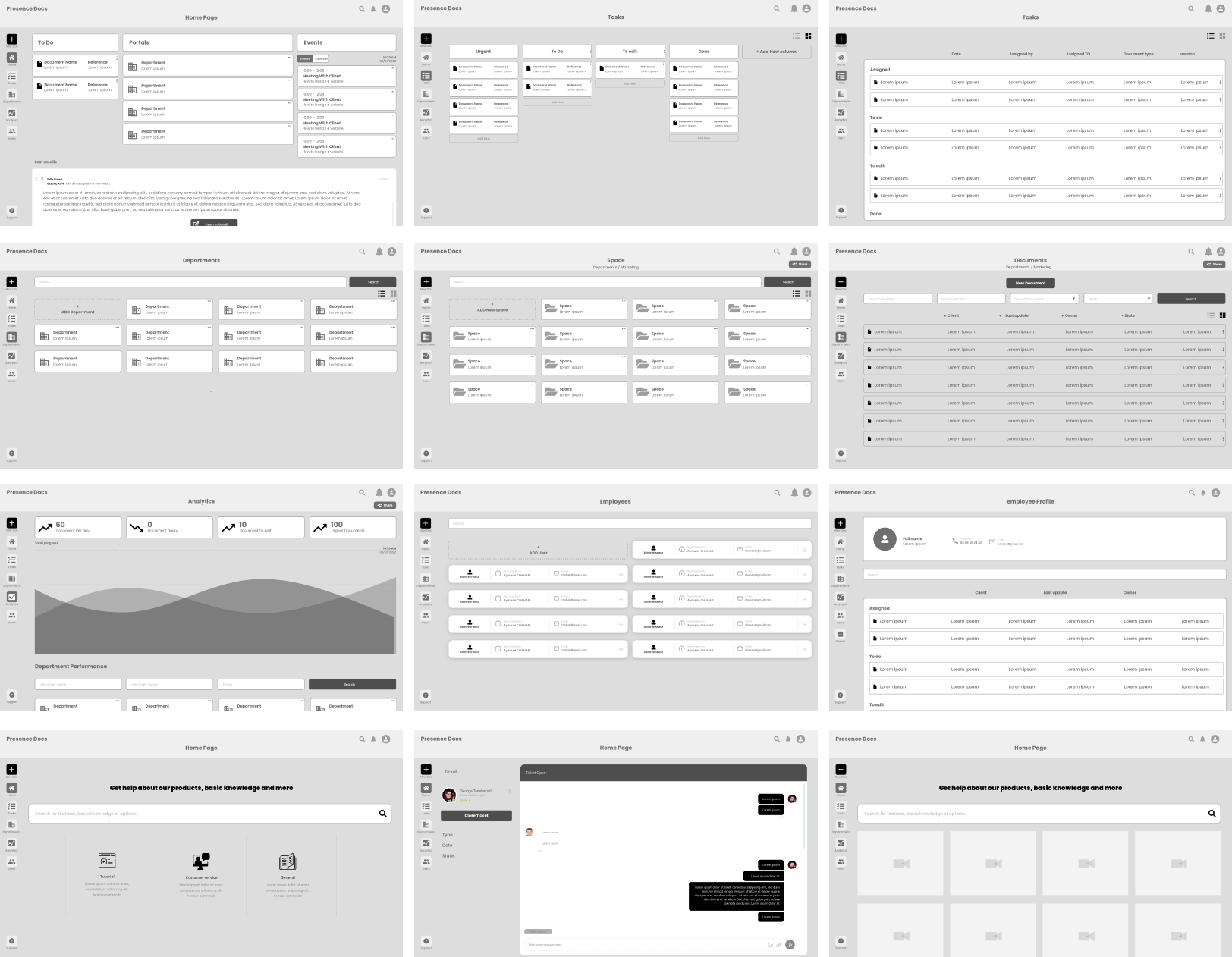
The transformation of Overlayer resulted in a platform that is not only more aesthetic but strategically positioned for market growth:
Increased User Retention
A measurable lift in the retention of new users who previously dropped off due to initial interface complexity.
AI Adoption & Trust
User satisfaction scores regarding AI-driven features increased significantly as the new UI made “data qualification” more intuitive.
Operational Efficiency
The implementation of the new Design System reduced the design-to-development handoff time and established a scalable framework for future product modules.
Reduced Friction
Implementation of role-based dashboards led to a significant decrease in user errors and internal support queries regarding data access and permissions.
Stakeholder Alignment:
A marked decrease in support tickets related to navigation and “how-to” queries, proving the success of the intuitive redesign.