Valia RH — HR SaaS Platform
Senior Product Designer & UX Consultant
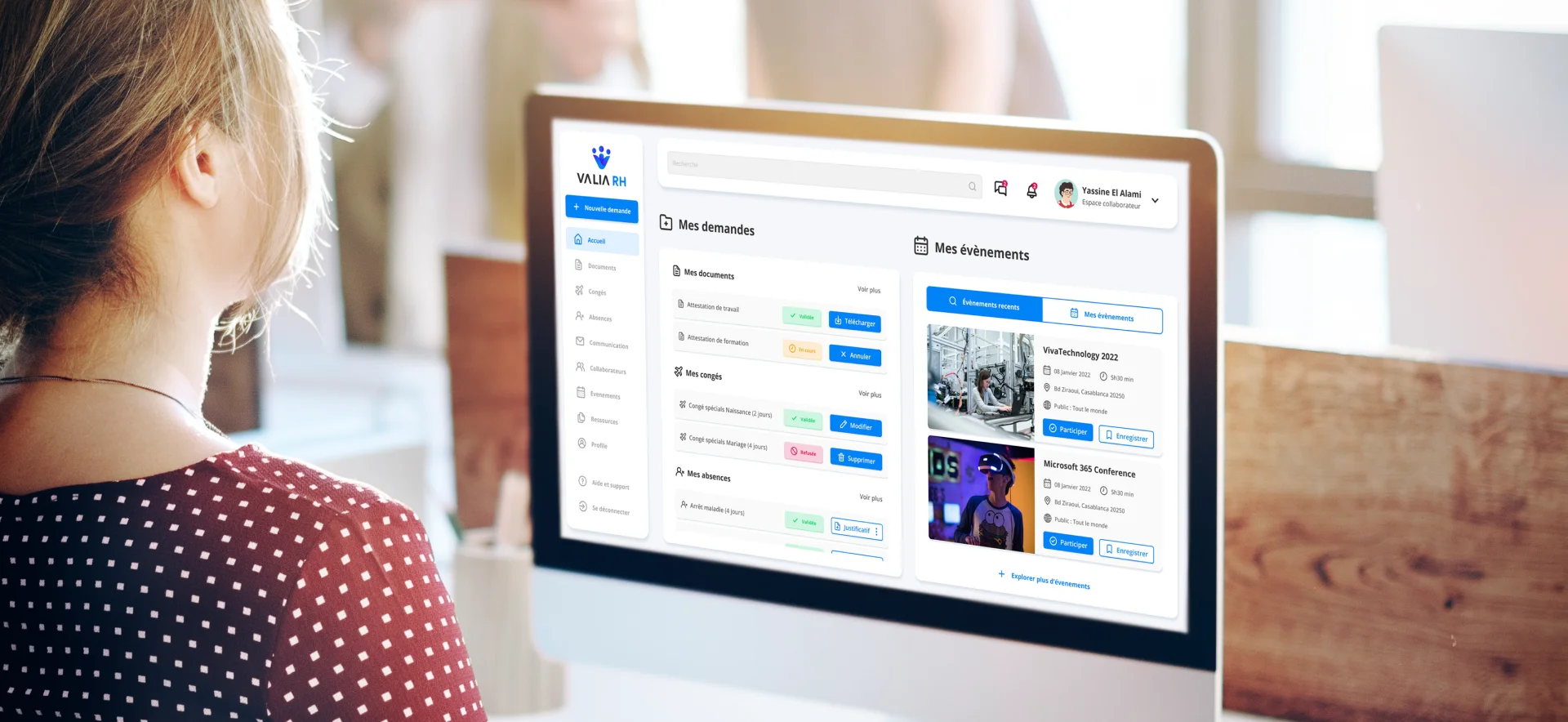
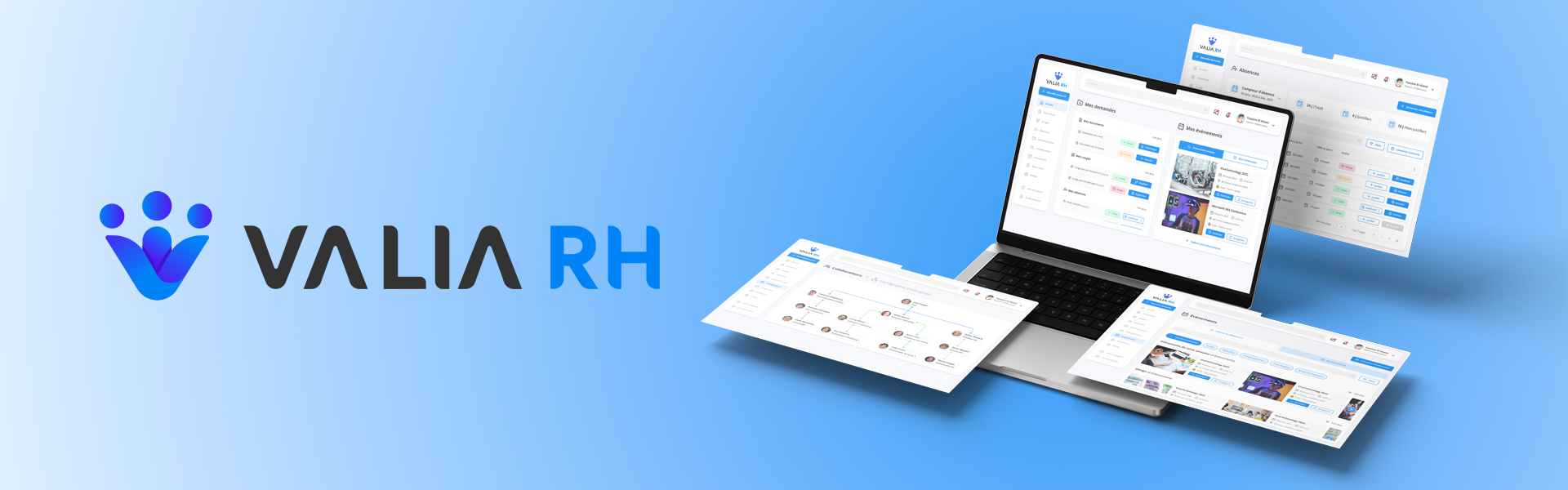
Valia RH is a SaaS HR management platform designed for SMEs to centralize employee records, manage leave workflows, and digitize administrative processes through a web-based dashboard system.
- HR Tech / SaaS
- HR managers, administrators, employees
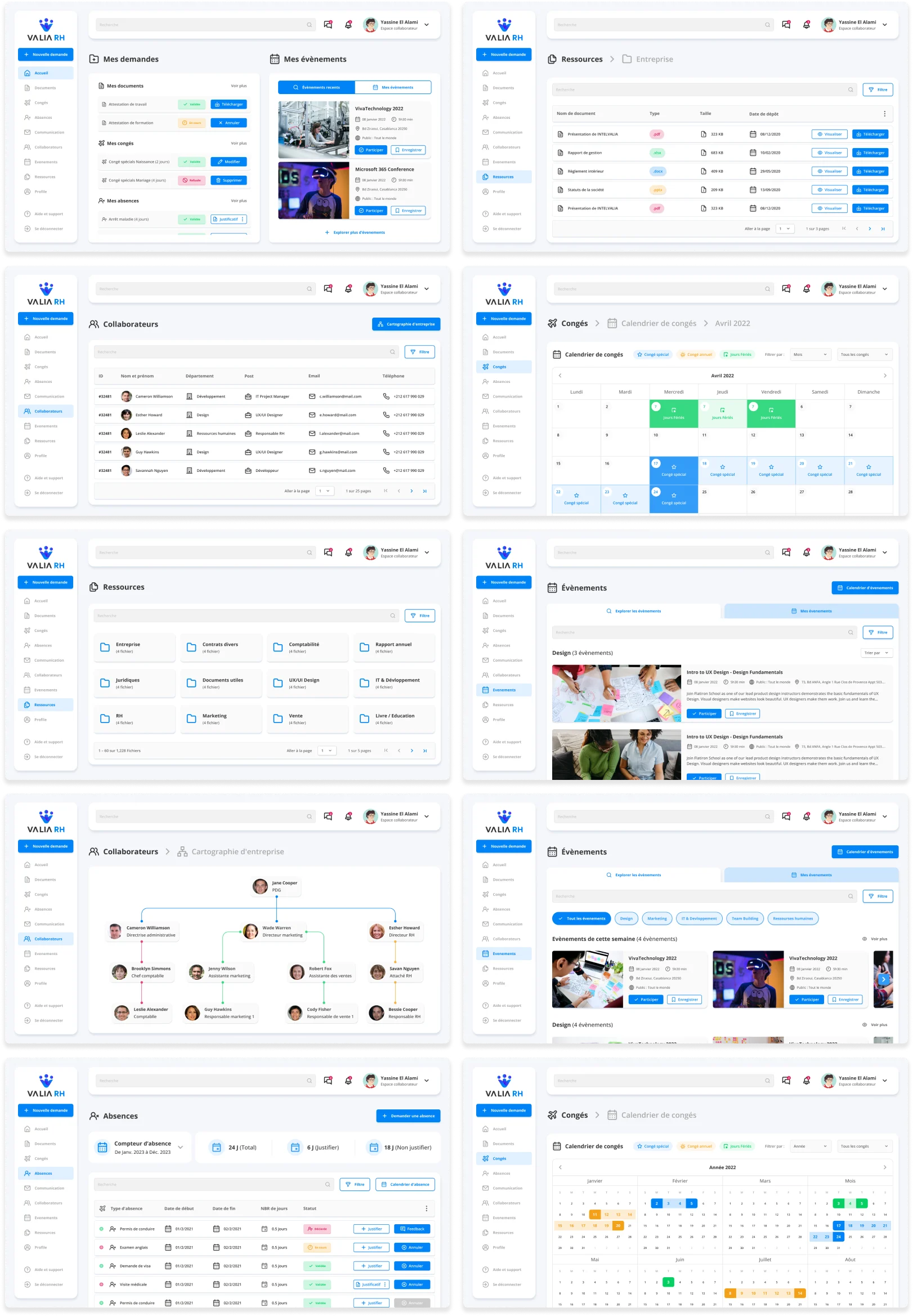
- Multi-module web dashboard with role-based access
- https://www.valia-rh.com/
- Product Objective
- The objective of the project was to design a scalable HR SaaS platform capable of simplifying complex administrative workflows for small and medium-sized companies. The system needed to centralize employee data, streamline leave and approval processes, and provide clear visibility through structured dashboards while remaining accessible to non-technical HR teams. A key goal was also to establish a scalable interface foundation that could support additional product modules as the platform evolved.
- My Role
- As the Senior Product Designer, I was responsible for the end-to-end UX and UI of the Valia RH platform. I conducted the initial user research to identify HR workflow pain points and translated those findings into the product's information architecture and user journeys. My scope included designing the dashboard ecosystems, multi-role permission systems, and core HR modules, while producing all wireframes and high-fidelity UI. I also led the handoff and collaboration with the development team to ensure implementation accuracy.
Core Challenges
The main challenge was translating complex HR processes into clear digital workflows while maintaining usability for non-technical HR teams. The platform needed to manage data-heavy dashboards, role-based permissions, and form-intensive administrative tasks without overwhelming users, while also establishing a scalable design structure capable of supporting additional modules as the product evolved.
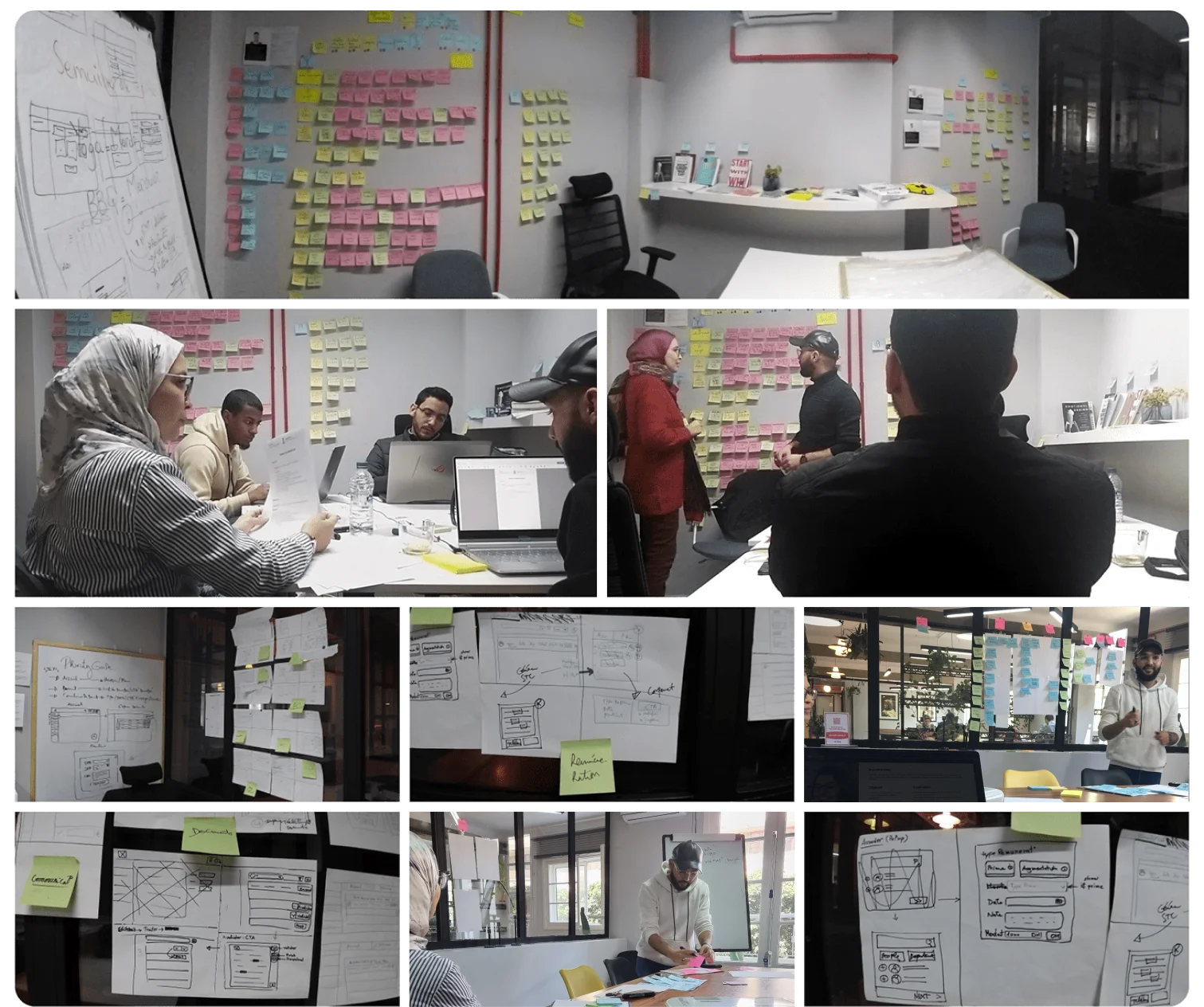
To ensure the platform met both business objectives and user needs, I followed an iterative Design Thinking process focused on clarity, scalability, and functional efficiency.
User Research & Empathy
Began by analyzing traditional HR workflows and interviewing stakeholders to identify the friction points in manual data entry and leave management. This helped me understand the mental models of non-technical HR users.
Problem Definition
Insights from the research phase were used to map out user personas and define the core functional requirements. I focused on prioritizing features for the MVP that would provide the highest immediate value, such as centralized employee records and automated approval flows.
Information Architecture & Ideation
I structured the platform’s hierarchy, defining how multi-role permissions (Admin vs. Employee) would affect the navigation. I created detailed user journeys to ensure that complex tasks, like multi-step leave approvals, remained intuitive.
Prototyping & UI Design
I moved from low-fidelity wireframes to high-fidelity interactive prototypes. This allowed us to visualize the dashboard logic and data-heavy tables before full-scale development, ensuring the visual language remained clean and professional.
Testing & Iterative Refinement
I conducted usability walkthroughs with internal stakeholders to validate the workflow logic. Based on feedback, I refined the navigation patterns and simplified the data filtering systems to reduce cognitive load for the end users.
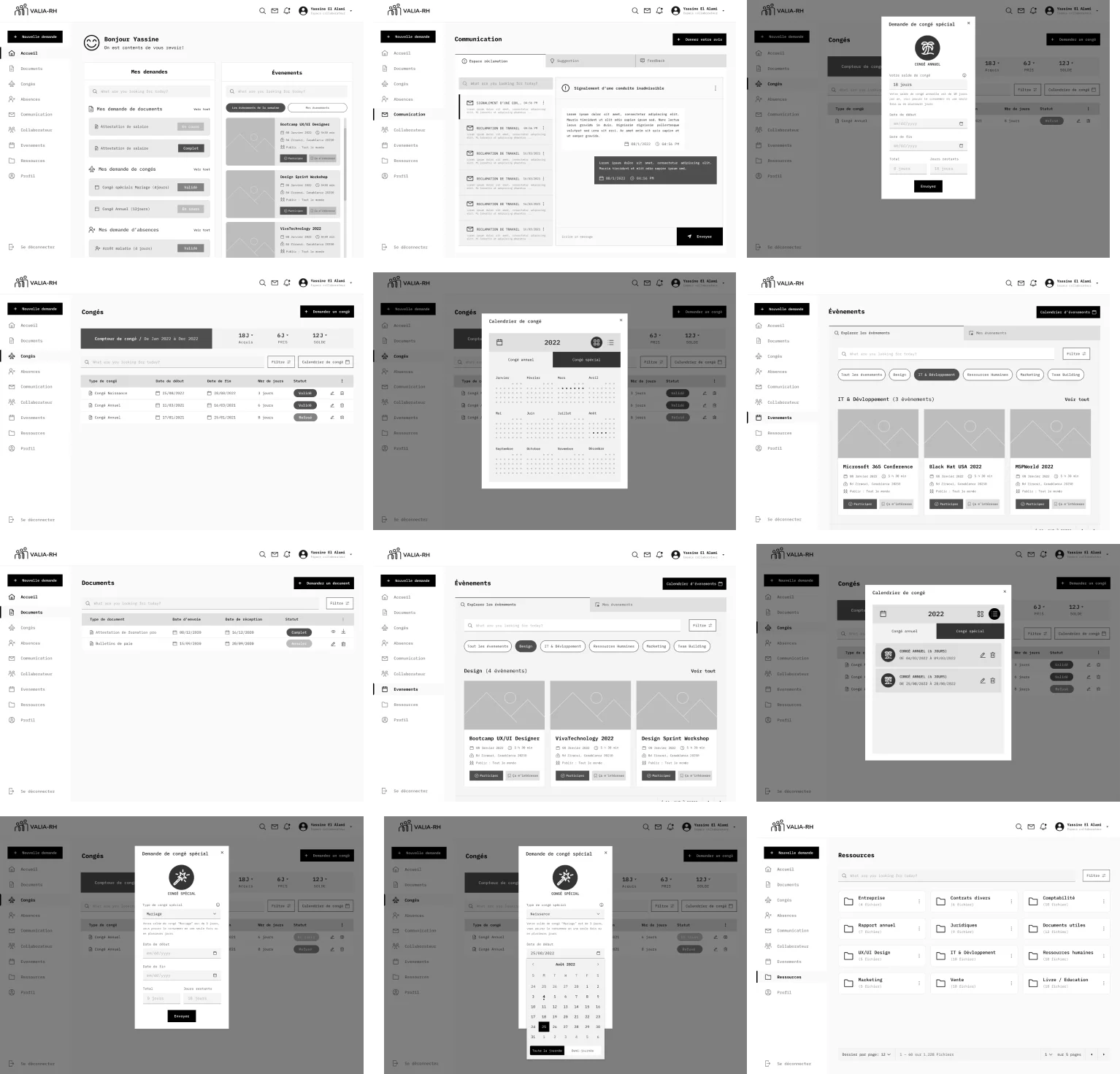
The final delivery transformed a manual, fragmented HR process into a centralized, automated SaaS ecosystem. By prioritizing user clarity and system modularity, the project achieved the following results:
Workflow Efficiency:
Successfully digitized core HR processes, reducing the time required for leave management and employee data entry by approximately 40% through automated approval flows.
User Activation:
Designed a guided onboarding experience that allowed new HR administrators to set up company structures and add their first 10 employees in under 15 minutes.
Platform Scalability:
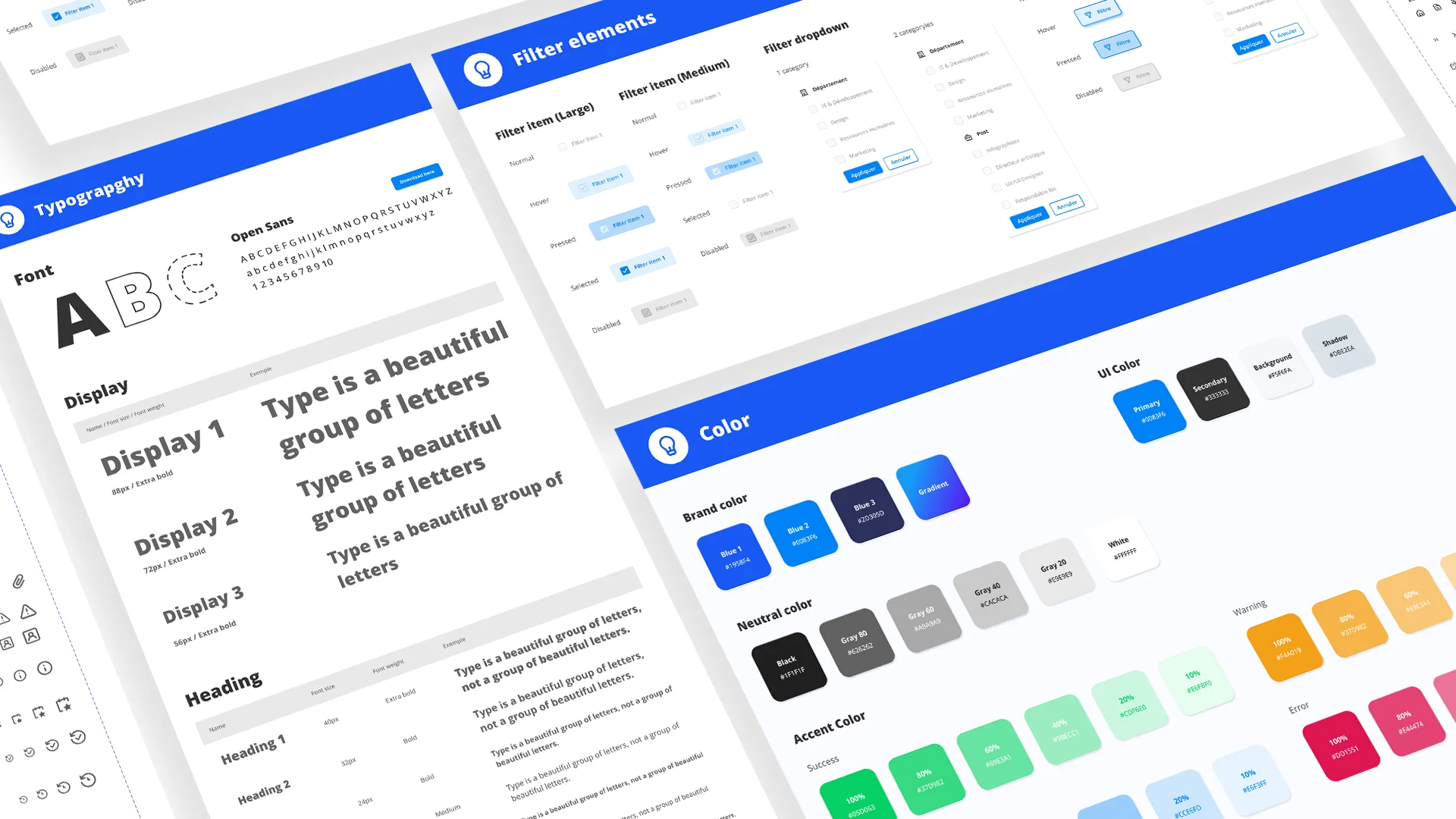
Established a comprehensive UI Kit and Design System that reduced future front-end development time by 30%, allowing for the rapid launch of additional modules.
System Clarity:
Implementation of role-based dashboards led to a significant decrease in user errors and internal support queries regarding data access and permissions.
Stakeholder Alignment:
Provided a high-fidelity interactive prototype that served as the primary tool for securing stakeholder buy-in and defining the product’s long-term roadmap.